Event porta potty rentals
Portable restroom setups for festivals, sports fields, markets, private gatherings, and public-facing events where guest flow matters.
Get A QuoteGarden Grove portable restroom rentals
Garden Grove Porta Potty Rentals helps organizers, site teams, and property planners compare the right portable restroom, trailer, accessible unit, and handwashing options for their setting.
01 / Portable sanitation services
Compare the portable restroom services most often needed for gatherings, construction activity, long-term placements, public access, guest comfort, and hygiene support.
Portable restroom setups for festivals, sports fields, markets, private gatherings, and public-facing events where guest flow matters.
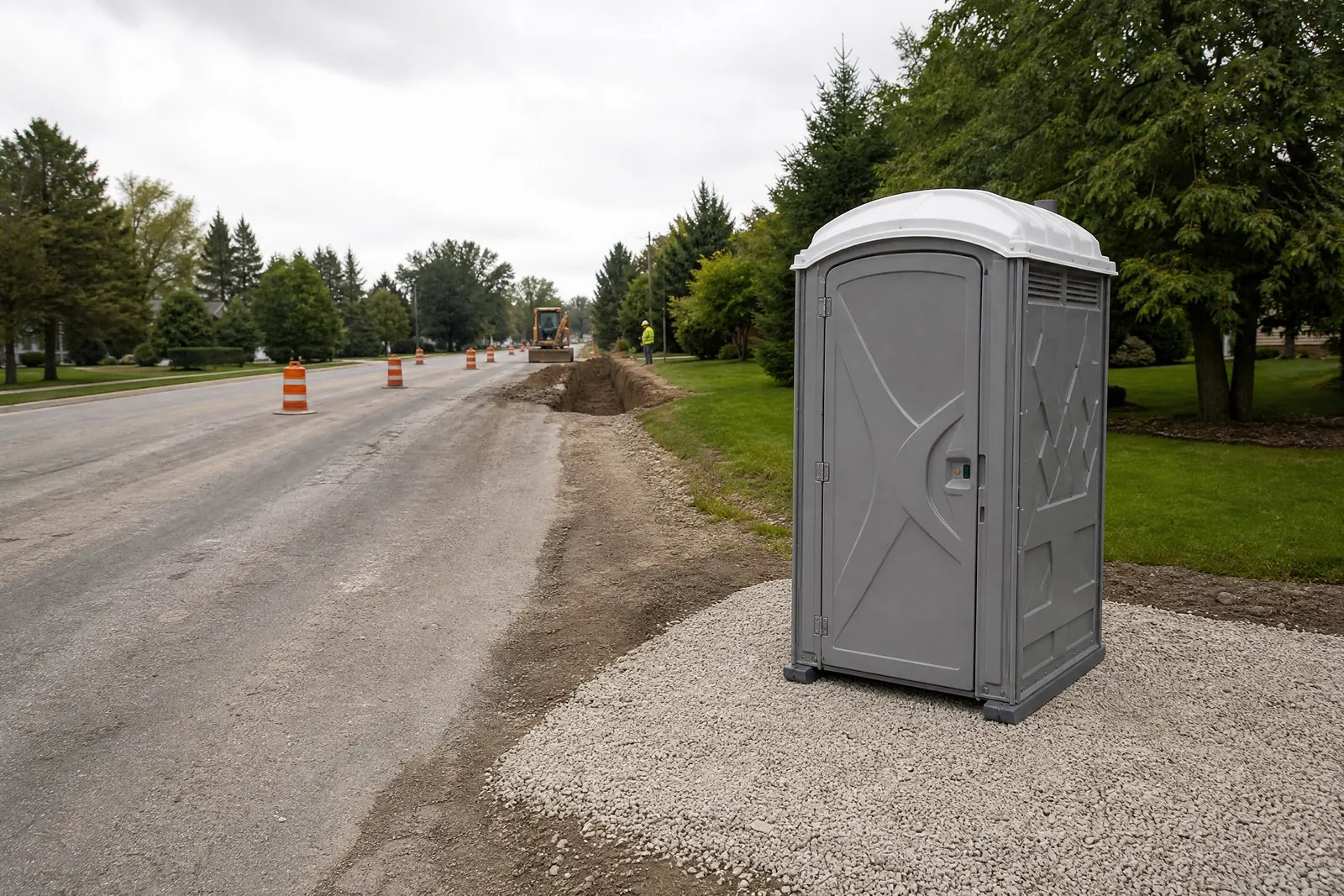
Get A QuoteDurable jobsite units for crews, renovation work, utility projects, and long-running builds that need practical access.
Get A QuoteFinished restroom options for weddings, corporate functions, and settings where presentation and guest comfort carry more weight.
Get A QuoteAccessible unit planning with a clear, stable approach route built into the conversation from the start.
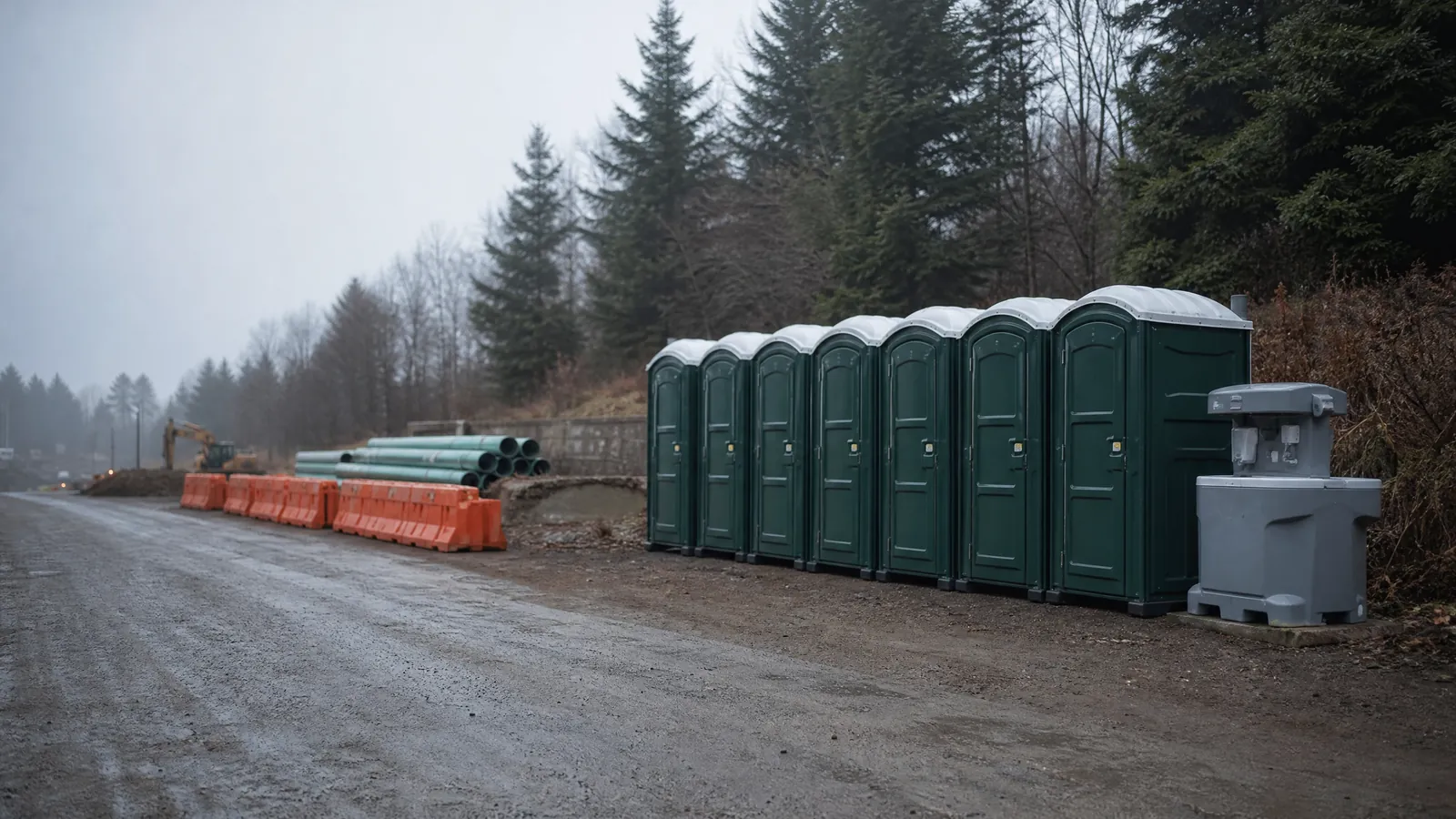
Get A QuoteHandwashing stations placed where crews and guests naturally pause, eat, arrive, or transition between activities.
Get A QuoteOngoing unit placement and service planning for extended construction, property work, seasonal operations, and recurring needs.
Get A QuotePlacement and service conversations that consider efficient site flow, handwashing access, and a tidy event or work area.
Get A QuotePrivate trailer options for larger events and occasions that call for a more finished restroom experience.
Get A Quote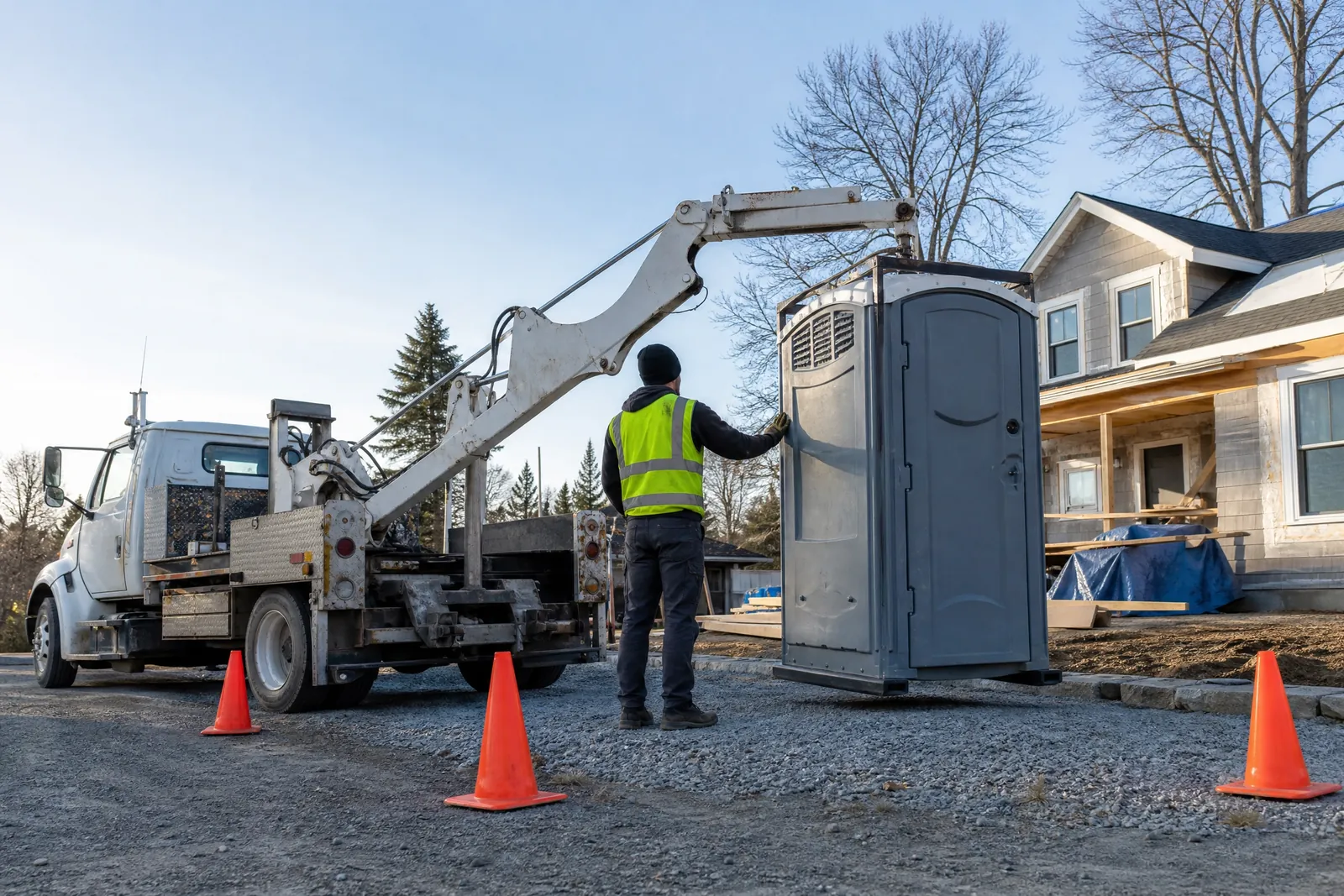
02 / Garden Grove rental context
In Garden Grove, CA, portable sanitation supports outdoor events, job sites, property work, seasonal gatherings, and the everyday logistics around public-facing spaces. A useful rental plan starts with the setting, then matches service options to the people and activity taking place there.
Stanton Compact neighborhoods and commercial corridors shape how gatherings flow in Stanton. Restrooms near food trucks, storefronts, and park edges keep crowds moving without blocking entryways. For construction and maintenance work, tight lots and shared access points benefit from careful placement that won’t interfere with deliveries. With thoughtful routing and ADA‑aware paths, portable units can blend into busy streetscapes and community spaces.
Westminster Westminster’s mix of shopping centers, civic spaces, and residential pockets calls for flexible restroom layouts. Markets and cultural events often cluster guests near vendor rows, so distributing units and handwashing along walking routes helps control lines. On jobsites, consider safe access around active drive lanes. With a clear plan, portable restrooms can support both quick pop‑ups and multi‑day programs.
Fountain Valley Wide parks, sports fields, and business parks in Fountain Valley create varied restroom needs. Tournament days bring surges near concessions and sidelines, while weekday projects focus on crew convenience and service access. Stable ground, visible placement, and ADA‑compliant approaches make a difference. With balanced coverage across activity hubs, portable sanitation can keep people comfortable and schedules on track.
Santa Ana In Santa Ana’s dense urban blocks and lively plazas, space is at a premium. Strategic placement along broad sidewalks or designated lots lets restrooms serve crowds without crowding walkways. Event layouts benefit from separating entry and exit paths and pairing units with nearby handwashing. For ongoing work, predictable service routes and staged access points help maintain momentum in busier districts.
03 / Common questions
Q: How do I decide between standard units and a restroom trailer? A: Consider guest expectations, event tone, and duration. Standard units are efficient and flexible; trailers provide a more comfortable interior with multiple stalls and sinks for elevated experiences.
Q: What surface is best for portable restrooms? A: A level, stable surface—pavement or compacted ground—keeps units secure and easier to use. We’ll review your site to confirm safe placement and access.
Q: How many units should I plan for? A: Unit counts depend on headcount, duration, and whether food or drinks are served. Share the basics and we’ll suggest a mix to keep lines short.
Q: Do I need ADA‑accessible units? A: Inclusive planning is essential. We recommend integrating ADA‑accessible restrooms on routes comparable to standard units, with smooth approaches and proper clearances.
Q: Where should handwashing stations go? A: Place sinks at high‑traffic points: near restrooms, food and beverage areas, entrances, and break zones. This reduces bottlenecks and encourages use.
Q: Can units be placed inside a fenced area? A: Often, yes—if there’s room for setup and future servicing. We’ll confirm gate widths, turning space, and a stable pad before delivery.
Q: How do I prepare my site before delivery? A: Clear the placement area, confirm a level surface, and ensure unobstructed access. If you have a preferred layout, share a quick sketch or photos.
Q: What about odor control during multi‑day events? A: Proper unit counts, ventilation, regular servicing, and nearby handwashing all help. We’ll recommend a plan that supports freshness over your full timeline.